

Bellingham, WA (BEL)
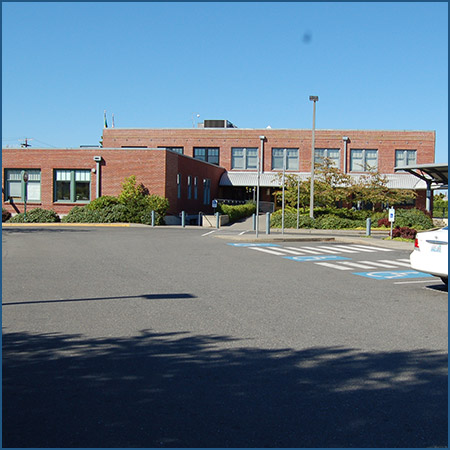
Amtrak, intercity and local buses use the Fairhaven Station, which is just a short walk to a cruise terminal serving vessels headed for the San Juan Islands, British Columbia and Alaska.
- Facility Ownership: Port of Bellingham
- Parking Lot Ownership: Port of Bellingham
- Platform Ownership: BNSF Railway/City of Bellingham/Port of Bellingham
- Track Ownership: BNSF Railway
Alex Khalfin
Regional Contact
governmentaffairssea@amtrak.com
For information about Amtrak fares and schedules, please visit Amtrak.com or call 1-800-USA-RAIL (1-800-872-7245).
Renovated from a vintage warehouse in 1995, the brick Fairhaven Station in Bellingham is also used by Greyhound Lines and Whatcom Transportation Authority buses. The facility sits across the tracks from the Bellingham Cruise Terminal, serving a passenger ferry to the San Juan Islands and Victoria, as well as Alaska Marine Highway ferryliner service to Prince Rupert, B.C., and Skagway, Alaska.
The first Bellingham connection to the Great Northern Railroad in 1890 crossed the tidal flats of Bellingham Bay. After filling in the land and relocating the tracks in 1902, the railroad built a brick depot with a wood-shingled roof; but this depot burned a little over 20 years later. This was replaced with a single-story brick structure, built by local architect F. Stanley Piper. A Spanish tile roof blends with ornamental Corinthian capitals; the entrance has three large archways. The interior had wrought-iron chandeliers hanging from a high, beamed ceiling. Great Northern used this station until 1969, at which point Burlington Northern took over the facility. Amtrak used this station until itsPacific International service was discontinued in 1981. The BNSF utilizes the former station for its switching operations.
When George Vancouver first surveyed the area in 1792, he named the bay for Sir William Bellingham, the controller of the storekeeper’s account for the British Royal Navy and the man who oversaw and provisioned Vancouver’s historic explorations. Before European settlement came in 1854, the native peoples had occupied this territory for thousands of years, and native culture continues in the region today.
The Fraser Canyon Gold Rush of 1858 brought thousands from northern California, eager to seek their fortunes or trade with those who did. From a small mill town, the Bellingham Bay area transformed, for a brief boom in the summer of 1858, into a bustling seaport and base town for the Whatcom Trail leading to the Fraser Canyon gold fields. At that time, there were four small settlements close together on Bellingham Bay: Sehome, Whatcom, Fairhaven and Bellingham.
During the Gold Rush, Whatcom (from “noisy waters,” the name of the native settlement on the creek at the bay) had more people living on its beach than in the rest of the state altogether. Today, that neighborhood forms Bellingham’s Old Town. Sehome was where a large coal mining operation ran from the 1850s until 1955, when the extensive mines, with tunnels as deep as 1,200 feet, finally closed. The Bellingham settlement was originally Unionville, from another mining company that went bust. It was incorporated into Fairhaven—today’s waterfront district—in the 1890s. Fairhaven prospered from the attentions of Nelson Bennett, a developer who had made Tacoma into a city. In a move to reinvent themselves during the depression of the 1890s, the residents of all the settlements decided to incorporate under one name, Bellingham.
In 1891, thinking to celebrate a rail connection to Canada that would revive the town, one of the three railroads in the locale, the Bellingham Bay and British Columbia Railroad hosted a major town reception for the representatives of the Canadian Pacific (CP) Railway on Railroad Avenue. Several thousand people assembled; the fire department was to create an arch of water over the train as it stopped at the terminal and the dignitaries disembarked. This was to be done using hoses from either side of the track. One brigade shot off their hoses prematurely and, not to be outdone, the other side let fly before time as well. The representatives of the Canadian Pacific disembarked into the middle of full-fledged water fight between the fire companies, to their considerable soggy dismay. Despite many apologies after this debacle, the railroad never did manage to connect to the CP.
The proximity to the Strait of Juan de Fuca and to the Inside Passage to Alaska kept the locale in shipping and canning after logging failed and Bellingham became a city on October 27, 1903. The city has in recent years focused on a renaissance to breathe new life into the well-preserved Fairhaven historical district, touting the small city as a quiet place in contrast to the large nearby metropolitan areas.
The Amtrak Cascades are primarily financed through funds made available by the Washington State Department of Transportation and the Oregon Department of Transportation.
Station Building (with waiting room)
Features
- ATM available
- No elevator
- Payphones
- Quik-Trak kiosks
- No Restrooms
- Ticket sales office
- Unaccompanied child travel allowed
- Vending machines
- No WiFi
- Arrive at least 60 minutes prior to departure if you're checking baggage or need ticketing/passenger assistance
- Arrive at least 30 minutes prior to departure if you're not checking baggage or don't need assistance
Baggage
- Amtrak Express shipping not available
- Checked baggage service available
- No checked baggage storage
- Bike boxes for sale
- No baggage carts
- Ski bags not available
- Bag storage
- Shipping boxes not available
- Baggage assistance provided by Station Staff - No Red Cap Service
Parking
- Same-day parking is available; fees may apply
- Overnight parking is available; fees may apply
Accessibility
- Payphones
- Accessible platform
- Accessible restrooms
- No accessible ticket office
- Accessible waiting room
- Accessible water fountain
- Same-day, accessible parking is available; fees may apply
- Overnight, accessible parking is available; fees may apply
- No high platform
- Wheelchair available
- Wheelchair lift available
Hours
Station Waiting Room Hours
| Mon | 06:30 am - 11:00 pm |
| Tue | 06:30 am - 11:00 pm |
| Wed | 06:30 am - 11:00 pm |
| Thu | 06:30 am - 11:00 pm |
| Fri | 06:30 am - 11:00 pm |
| Sat | 06:30 am - 11:00 pm |
| Sun | 06:30 am - 11:00 pm |
Ticket Office Hours
| Mon | 07:15 am - 11:30 am 12:00 pm - 04:30 pm 05:00 pm - 08:30 pm |
| Tue | 07:15 am - 11:30 am 12:00 pm - 04:30 pm 05:00 pm - 08:30 pm |
| Wed | 07:15 am - 11:30 am 12:00 pm - 04:30 pm 05:00 pm - 08:30 pm |
| Thu | 07:15 am - 11:30 am 12:00 pm - 04:30 pm 05:00 pm - 08:30 pm |
| Fri | 07:15 am - 11:30 am 12:00 pm - 04:30 pm 05:00 pm - 08:30 pm |
| Sat | 07:15 am - 11:30 am 12:00 pm - 04:30 pm 05:00 pm - 08:30 pm |
| Sun | 07:15 am - 11:30 am 12:00 pm - 04:30 pm 05:00 pm - 08:30 pm |
Passenger Assistance Hours
| Mon | 08:30 am - 09:10 pm |
| Tue | 08:30 am - 09:10 pm |
| Wed | 08:30 am - 09:10 pm |
| Thu | 08:30 am - 09:10 pm |
| Fri | 08:30 am - 09:10 pm |
| Sat | 08:30 am - 09:10 pm |
| Sun | 08:30 am - 09:10 pm |
Checked Baggage Service
| Mon | 07:15 am - 11:30 am 12:00 pm - 04:30 pm 05:00 pm - 08:30 pm |
| Tue | 07:15 am - 11:30 am 12:00 pm - 04:30 pm 05:00 pm - 08:30 pm |
| Wed | 07:15 am - 11:30 am 12:00 pm - 04:30 pm 05:00 pm - 08:30 pm |
| Thu | 07:15 am - 11:30 am 12:00 pm - 04:30 pm 05:00 pm - 08:30 pm |
| Fri | 07:15 am - 11:30 am 12:00 pm - 04:30 pm 05:00 pm - 08:30 pm |
| Sat | 07:15 am - 11:30 am 12:00 pm - 04:30 pm 05:00 pm - 08:30 pm |
| Sun | 07:15 am - 11:30 am 12:00 pm - 04:30 pm 05:00 pm - 08:30 pm |
Parking Hours
| Mon | 24 HOURS |
| Tue | 24 HOURS |
| Wed | 24 HOURS |
| Thu | 24 HOURS |
| Fri | 24 HOURS |
| Sat | 24 HOURS |
| Sun | 24 HOURS |
Quik-Track Kiosk Hours
| Mon | 06:30 am - 11:00 pm |
| Tue | 06:30 am - 11:00 pm |
| Wed | 06:30 am - 11:00 pm |
| Thu | 06:30 am - 11:00 pm |
| Fri | 06:30 am - 11:00 pm |
| Sat | 06:30 am - 11:00 pm |
| Sun | 06:30 am - 11:00 pm |
Lounge Hours
Amtrak Express Hours
| Mon | CLOSED |
| Tue | CLOSED |
| Wed | CLOSED |
| Thu | CLOSED |
| Fri | CLOSED |
| Sat | CLOSED |
| Sun | CLOSED |
 Amtrak established the Great American Stations Project in 2006 to educate communities on the benefits of redeveloping train stations, offer tools to community leaders to preserve their stations, and provide the appropriate Amtrak resources.
 Amtrak is seizing a once-in-a-lifetime opportunity to transform rail and Retrain Travel. By modernizing, enhancing and expanding trains, stations and infrastructure, Amtrak is meeting the rising demand for train travel. Amtrak offers unforgettable experiences to more than 500 destinations across 46 states and parts of Canada. Learn more at